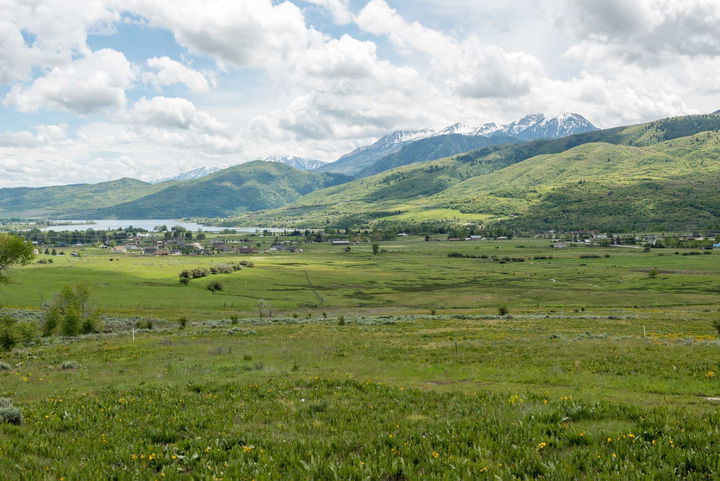

In Utah’s fast-growing communities, preserving agricultural land is becoming increasingly difficult—and increasingly important. That’s where the Utah Farmland Assessment Act (FAA), also known as the Greenbelt Act, plays a vital role. Designed to protect working farms and ranches from skyrocketing property taxes, the FAA allows qualifying agricultural properties to be taxed based on their productive use rather than their market value.
Whether you’re a longtime farmer, investor, or a landowner exploring rural property opportunities, understanding this act could save you thousands—and help preserve Utah’s rural heritage.
What Is the Greenbelt Act?
The Greenbelt Act (Utah Code 59-2-514) ensures that farmland is assessed and taxed based on agricultural production, not real estate market value. This is especially crucial in high-growth areas like Weber County, where development pressure is pushing land values higher each year. Without this protection, farmers and rural property owners might be taxed out of operation simply because nearby subdivisions or developments increase surrounding property values.
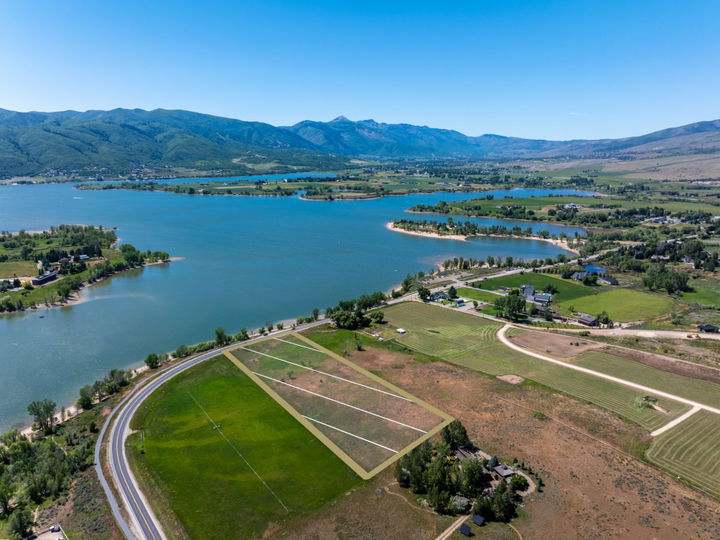
For those purchasing land in areas like Ogden Valley, Eden, Huntsville, or Mountain Green, the Greenbelt designation can be a key consideration for long-term affordability and land use planning.
How Is Agricultural Value Determined?
The Utah State Tax Commission, in coordination with the Farmland Assessment Advisory Committee and Utah State University, sets annual per-acre values for agricultural land. These valuations are based on an income approach model that considers both revenue and operating costs across various agricultural categories.
Factors include:
- Soil type and productivity
- Access to irrigation
- Topography and slope
- Length of growing season
- Historical yield and agricultural use
Land is generally classified as:
- Irrigated farmland
- Dry cropland
- Grazing/pasture land
- Orchards or vineyards
- Non-productive acreage
These valuations are often significantly lower than the surrounding residential or recreational land values, making FAA-qualified properties more financially manageable to hold long-term.
Do You Qualify for FAA Greenbelt Tax Assessment?
To qualify under Utah's Greenbelt designation, your land must meet the following criteria:
- Be at least 5 contiguous acres actively devoted to agriculture (some exceptions apply for parcels under 5 acres)
- Show agricultural use with a reasonable expectation of profit
- Be in qualifying agricultural use for at least the previous two consecutive years
- Meet or exceed minimum per-acre production values set annually by the Utah Tax Commission
Exceptions & Waivers:
- Adjacent parcels under common ownership may be combined to meet acreage requirements
- Land impacted by natural disasters, eminent domain, or regulatory changes may be exempt from rollback penalties
How to Apply
Applications for FAA status must be submitted by May 1 of the current tax year. If there is a change in ownership, legal description, or upon request by the county assessor, applications must be filed within 120 days.
Steps to Apply:
- Complete the Farmland Assessment Questionnaire (available online or by mail)
- Schedule a site inspection with your County Assessor’s Office
- Submit supporting documentation (e.g., lease agreements, receipts, tax returns, crop yield reports)
- Upon approval, a notarized FAA application is filed with the County Recorder’s Office with a small fee
What Happens If You Develop or Stop Farming?
If your property no longer qualifies—due to development, abandonment of agricultural use, or sale to a non-qualifying owner—you may be subject to a rollback tax. This is calculated as the difference between the Greenbelt assessment and full market value taxes, retroactive for up to five years.
For those purchasing land as an investment or for future development, understanding rollback liability is critical. A savvy real estate agent familiar with FAA can help you evaluate risks and timelines.
Why It Matters for Buyers & Sellers
In rural Utah communities like Ogden Valley, Cache Valley, and Southern Utah, the Greenbelt Act is a powerful tool for:
- Preserving open space and scenic landscapes
- Supporting local food production and agri-business
- Helping landowners manage holding costs
- Offering strategic opportunities for long-term land investment
If you’re considering buying land in Utah for agricultural use, ranching, or simply as a lifestyle property with tax benefits, the Greenbelt Act may be a key component of your ownership strategy.
Discover listings in Eden, Huntsville, and beyond — or contact us directly for expert advice on buying agricultural or recreational land in Utah.
Explore Greenbelt-Eligible Properties
At Mountain Luxury Real Estate, we understand the nuances of rural land purchases and the Greenbelt program. We can help you evaluate whether a property qualifies, understand its tax implications, and guide you through the FAA application process.