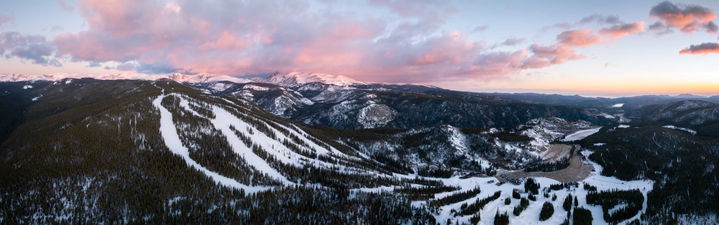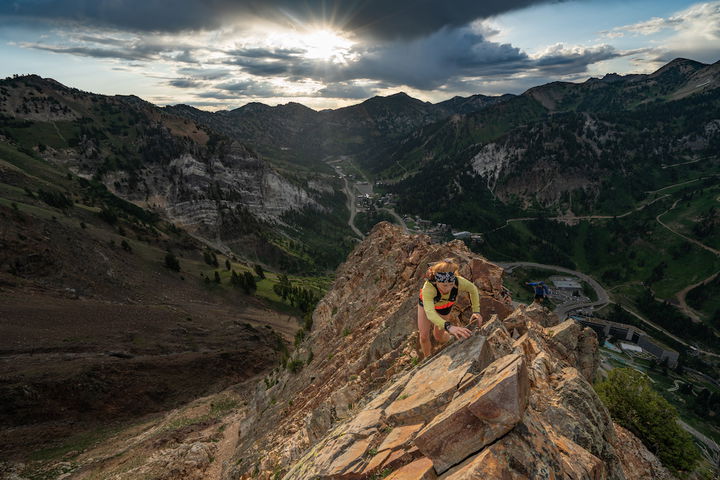

For years, ski town real estate value was measured in minutes to the lift. That was before lean winters became harder to ignore. How quickly one can get from the front door to the lift line will always be part of the appeal of mountain real estate. But after a weaker 2025–26 ski season across much of the West, buyers are starting to ask a more strategic question:
What happens to a ski town when winter under delivers?
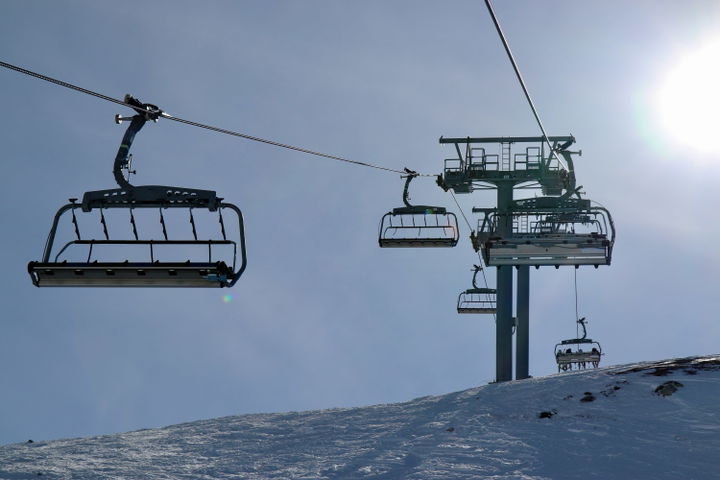
Anyone comparing ski towns, resort communities, or mountain homes for sale should pay attention to that shift. Snow is not just a backdrop. It influences lifestyle, tourism, short-term rental performance, and long-term real estate demand.
The latest skier-visit numbers bring that conversation into sharper focus. According to data from the National Ski Areas Association, U.S. ski areas recorded an estimated 52.6 million skier visits during the 2025–26 season, down roughly 14% from the previous year. Ski Area Management reported that weak Western snowfall was a major factor behind the decline, especially in regions where ski tourism depends heavily on consistent winter weather.
That doesn’t mean ski towns are losing their appeal. It means the smartest buyers are looking deeper, and the strongest resorts are adapting. Today, long-term value depends on infrastructure, water, conservation, four-season amenities, and resilience in a variable winter climate.
A Weaker Ski Season Changes the Conversation
The 2025–26 season was a reminder that not all ski markets experience winter the same way.
Some resorts were able to preserve operations with snowmaking, elevation, terrain management, or stronger early-season bases. Others struggled with thin coverage, warm temperatures, shorter operating windows, or reduced visitation. For skiers, that may have meant fewer powder days. For mountain towns, it affected more than the slopes.
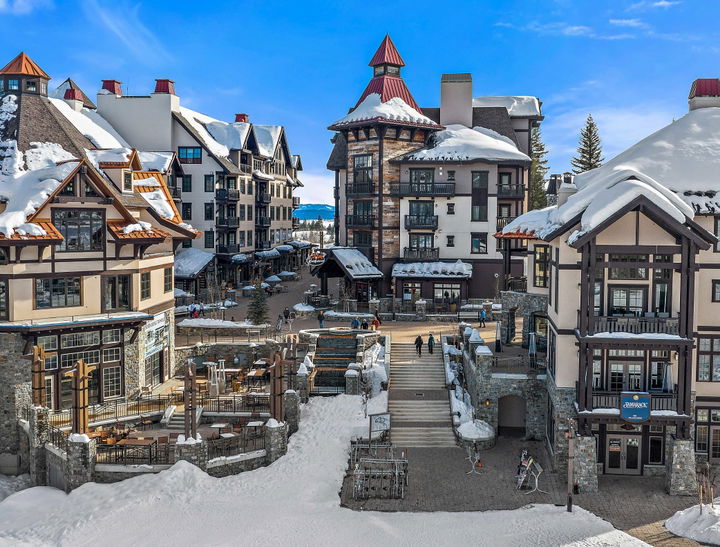
Restaurants, lodging providers, retailers, guides, rental shops, and local service businesses all feel the difference between a strong snow year and a weak one. When winter traffic slows, the entire resort economy pays attention.
Ski town real estate and buyer confidence are tied to the resilience of the destination. A second-home buyer may still love the view, the architecture, and the idea of mountain living, but they also must now determine whether the resort community has the infrastructure and lifestyle depth to hold value through variable winters.
In other words, a lean snow year does not end the ski town dream. It simply separates the markets built only around winter from the communities built for long-term mountain living.
When Snow Becomes Part of the Real Estate Equation
Snow reliability plays into ski town real estate in ways that go well beyond the mountain report.
A buyer purchasing a ski home, condo, or mountain retreat is often buying access to a certain rhythm of life: ski mornings, après-ski afternoons, family holidays, winter weekends, and a sense of connection to the mountain.
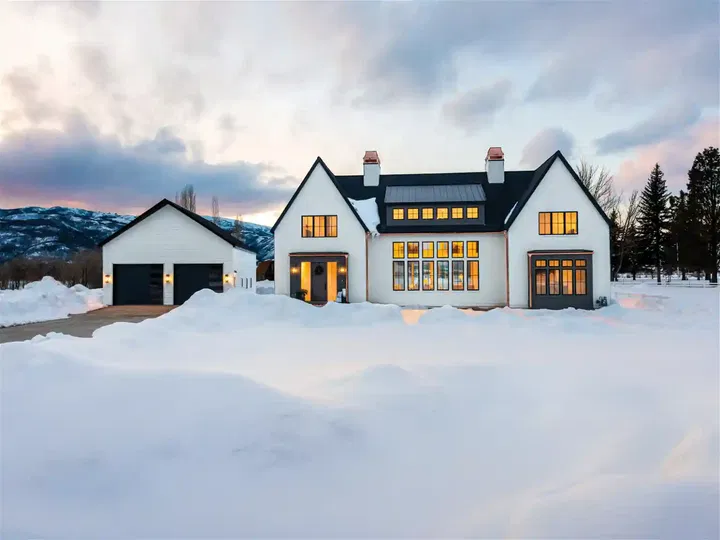
When snow conditions are inconsistent, that lifestyle can feel less predictable. That same uncertainty can carry into rental performance. In many resort markets, winter is a key revenue season for short-term rentals and second-home investment properties. Strong snowfall can drive bookings, extend stays, and increase last-minute travel demand. A low-snow season can reduce urgency, especially among destination travelers choosing between multiple Western ski towns.
The most resilient ski towns are not just places that perform in perfect winters. They are places with multiple layers of value: strong resort operators, thoughtful growth, responsible resource planning, year-round recreation, quality access, and long-term lifestyle appeal.
Dependable snow conditions are no longer a small detail for buyers looking at ski homes for sale across the West. It is one of the clearest ways to understand how a ski town may perform, feel, and hold appeal over time.
Key Factors Shaping Ski Town Real Estate
In today’s ski town real estate market, it’s about what surrounds that lift access: the mountain’s elevation, how the terrain holds snow, the resort’s investment strategy, and the strength of the lifestyle beyond winter. It’s also about conservation and community stewardship — how thoughtfully a ski town protects the landscapes, resources, and character that make people want to live there in the first place. These are the details that separate a beautiful ski town from one built for long-term resilience.
Elevation
Higher-elevation resorts and communities often have a better chance of preserving snow through warm periods. Elevation can influence snowfall, snowpack, temperature, season length, and the overall ski experience.
In Northern Utah, Ogden Valley is a good example of why elevation needs context. Buyers looking in Eden and Huntsville are often drawn to the lifestyle of the valley itself, while still wanting access to very different ski experiences nearby. Snowbasin rises into a bigger-mountain resort setting, Powder Mountain offers a higher-country ski experience, and Nordic Valley provides a more approachable, family-oriented option at a lower elevation.
This is why elevation should be part of the analysis, not the entire answer. A lower-elevation home near the valley floor may offer easier access, better year-round activities, lake proximity, or stronger summer use. A higher-elevation property may offer closer winter access, cooler temperatures, and a more immediate connection to the ski experience.
The key is understanding the tradeoff. In Ogden Valley, elevation is not just about being higher or lower. It is about how each location connects to skiing, snow conditions, water, trails, and summer recreation.
Mountain Exposure and Terrain
The way a mountain faces the sun can make a major difference in how long snow holds, how quickly conditions change, and how a resort skis throughout the season.
North-facing terrain often preserves snow longer because it receives less direct sun exposure, especially during warmer periods. South-facing slopes may soften earlier, melt faster, and experience more variable conditions during a low-snow season or warm spell. East- and west-facing terrain can create their own rhythm, with morning sun, afternoon shade, or late-day softening depending on the mountain.
This plays out both on the mountain and at home.
At the resort, mountain exposure can influence which runs stay open longer, where snow quality holds best, and how much a resort may need to rely on snowmaking, grooming, or terrain management. A resort with varied terrain and multiple aspects may be better equipped to offer a consistent experience across changing weather patterns.

At home, orientation can influence the everyday experience of mountain living. Sun exposure, driveway melt, ice buildup, wind, shade, natural light, views, and winter access all influence how a home lives throughout the season. A sunny driveway may be easier to maintain in winter. A shaded lot may hold snow longer and feel more tucked into the mountain. A home with strong southern exposure may feel bright and warm, while a property exposed to wind or deep shade may require more planning during storm cycles.
Start looking beyond the trail map and the listing photos. The direction a mountain faces, the way snow settles, and the way sunlight moves across a property can all shape the everyday experience of owning in a ski town.
Snowmaking, Water, Conservation & Community
Snowmaking is becoming a bigger part of the ski town conversation, but it should not be treated as just a backup plan.
Snowmaking can protect early-season openings at the resorts, preserve key connector runs, support ski school terrain, and create a more reliable guest experience during lean winters. From a real estate perspective, buyers looking at ski homes for sale want to know whether the resort has the infrastructure to operate through variable conditions.
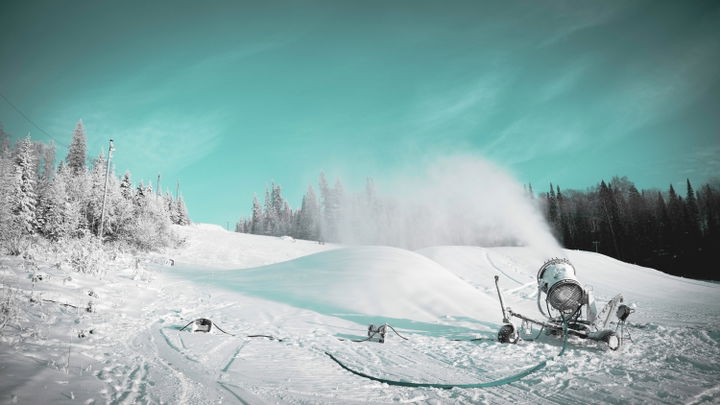
But snowmaking also carries a conservation responsibility.
In fragile mountain climates, water is not just a utility. It is part of the entire ecosystem. It supports snowpack, streams, reservoirs, wetlands, wildlife, agriculture, homes, and local communities. When a resort expands snowmaking, the issue is not only whether it can make more snow, but how responsibly it sources, stores, and uses water within the broader watershed.
The most forward-thinking ski towns are not simply asking, “Can we make more snow?”
They are asking:
How can snowmaking be more efficient?
How can resorts reduce water and energy waste?
How can infrastructure support winter operations without ignoring long-term climate pressure?
How can mountain communities protect the very landscapes that make people want to live there?
This is where resort investment and conservation begin to overlap. Automated snow guns, improved snow-depth mapping, storage ponds, efficient pumps, renewable energy, smarter grooming, and targeted snow placement can all help resorts use resources more carefully. These improvements do not eliminate the environmental challenge, but they show whether a resort is thinking beyond one season at a time.
Conservation is becoming part of long-term lifestyle value.
A ski town with thoughtful snowmaking, responsible water planning, summer recreation, protected open space, and community stewardship may be better positioned for the future.
Four-Season Amenities
The strongest mountain towns in the West are not only winter destinations.
A ski town may be built around the mountain, but its long-term appeal often depends on what happens when the lifts stop spinning. Summer and shoulder-season amenities can help stabilize a real estate market when snow conditions fluctuate. Mountain biking, hiking, boating, golf, fishing, climbing, trail running, paddleboarding, concerts, dining, farmers markets, and community events all help create year-round value.
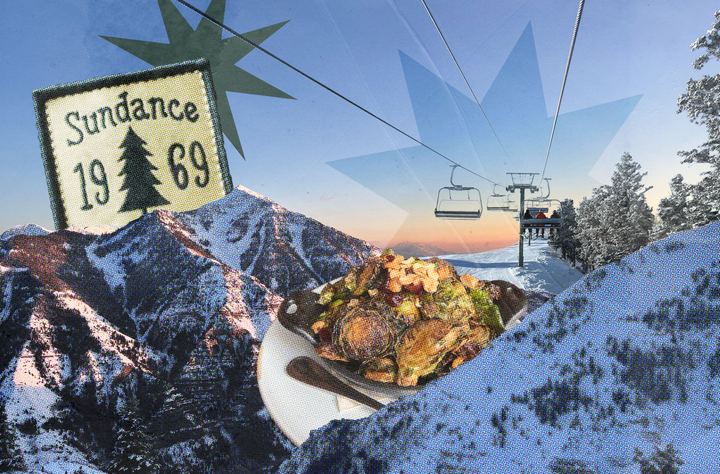
Many Utah ski resorts are surrounded by a broader outdoor lifestyle. Park City has built a four-season resort identity around trails, dining, events, golf, and summer tourism. Sundance pairs skiing with arts, culture, mountain biking, and year-round programming. Ogden Valley is a true mountain escape, where access to Snowbasin, Powder Mountain, and Nordic Valley is balanced by Pineview Reservoir, North Fork Park, Causey Reservoir, Wolf Creek Golf Course, and local trail systems.
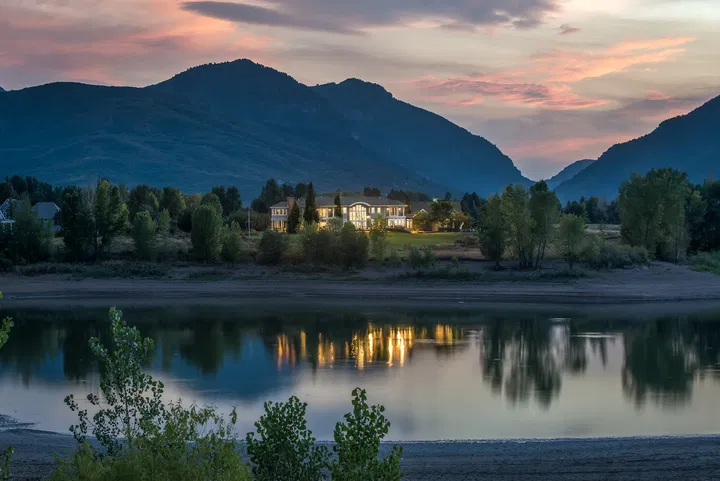
Four-season amenities make a ski town feel less dependent on one strong winter. A home near the lifts may be the draw in January, but a home connected to trails, water, dining, events, and open space will remain desirable throughout the year.
Winter may be the headline, but the most resilient ski towns offer a lifestyle that carries through every season.
The Lake Behind Utah’s Famous Snow: The Great Salt Lake
In Utah, snow is tied to something larger than the mountains themselves. The Great Salt Lake is part of the state’s claim to "the greatest snow on earth", but it is also one of its most fragile natural systems.
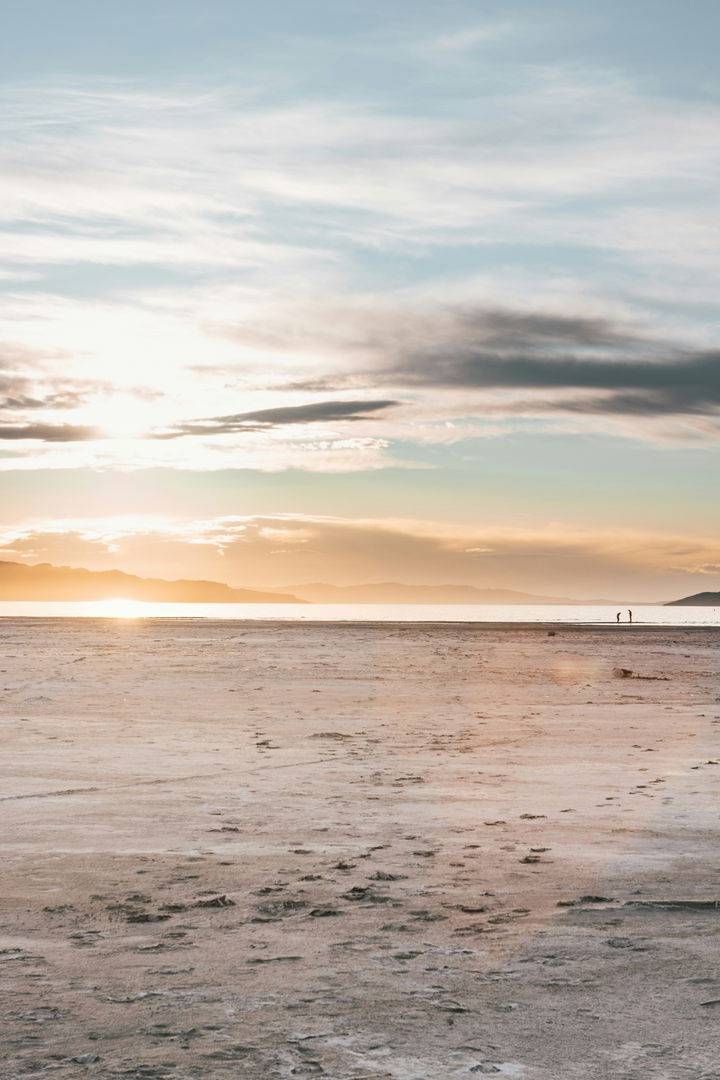
Lake-effect storms can enhance snowfall along parts of the Wasatch, contributing to the quality and quantity of snow that helped build Utah’s ski reputation. That means Utah ski town real estate is connected to more than resort elevation or lift infrastructure. It is also tied to broader environmental systems, water patterns, and long-term stewardship.
For communities near Snowbasin, Powder Mountain, Nordic Valley, Park City, Alta, Snowbird, Solitude, Brighton, and other Utah resorts, the Great Salt Lake is not just a distant environmental issue. It is part of the regional identity, the winter economy, and the mountain lifestyle.
In Utah, state leaders and tourism officials must recognize that Utah’s outdoor economy depends on the health of its natural systems. Skiing is not just a lifestyle amenity—it is a major economic driver. According to a fact sheet from the Kem C. Gardner Policy Institute, Utah’s ski industry generated $2.51 billion in skier and snowboarder spending during the 2024–25 season, supporting 31,800 direct jobs and producing $342.6 million in state and local tax revenue.
Protecting watersheds, supporting responsible water use, investing in conservation, planning thoughtfully around growth, and preserving the habitats that shape Utah’s mountain environment are not separate from the ski industry. They are part of what helps keep these communities desirable, economically strong, and deeply connected to the landscape that made them special in the first place.
Utah is not alone in this. Across the West, every ski town has its own stewardship challenge. In Nevada, that may mean watershed protection, forest health, and responsible snowmaking around the Tahoe Basin. In Idaho, it may mean balancing resort growth with open space, wildlife habitat, and working forests. In New Mexico, where high-elevation skiing exists within an arid climate, water planning, wildfire recovery, and community resilience will be central to their longevity.
Looking Beyond the Listing Photos
Ski town real estate has always been about lifestyle. But today, lifestyle value is more complex than proximity to the lift.
Winter conditions, water, resort infrastructure, and four-season amenities are now a larger part of the ski town real estate conversation. A beautiful home in a beautiful place still matters, but long-term value is increasingly shaped by how a place functions through changing market and winter climates.
At Mountain Luxury, we help buyers look beyond the listing photos.
We compare the lifestyle, the snow, the resort investment, and the long-term market fundamentals behind each mountain community. Whether you are looking at Utah ski towns, emerging Western resort markets, or established mountain destinations, our goal is the same— to help you make a confident decision about where you want to own, gather, invest, and live.

Before choosing a ski town, compare more than the home.
Compare the mountain. Compare the community. Compare the seasons. Compare the future.
And then choose the place that feels like home.
Our Ski Town Finder was built for this kind of comparison, helping buyers look beyond the listing and evaluate the lifestyle, resort access, amenities, and market fundamentals behind each mountain town.
Understand the Market Behind the Mountain
Buying, selling, or comparing ski towns across the West? Mountain Luxury can help you make your next move with confidence. Connect with our team for expert guidance, local market insight, and a strategy built around your mountain lifestyle.