

Why Smaller Ski Areas Are Getting a Second Look
Investors are starting to look more closely at smaller ski areas and lesser-known mountain communities as rising costs, crowding, and high barriers to entry continue to shape major resort markets.
These are not always the ski resorts with the flashiest base villages or the most polished luxury amenities. Often, their value is found in something harder to manufacture: authenticity, untapped potential, sustainable growth, and loyal, local communities.
Why Meadowlark Ski & Lodge Is A Model for Small-Market Mountain Investment
As folks flock to the west in search of the mountain town lifestyle, smaller ski areas could take the advantage of these mass migrations. For years, large ski resorts have dominated the conversation around ski town real estate, hospitality investment, and mountain recreation. Yet investors are looking for a fresh start—places which offer affordable acquisition opportunities, well established and loyal communities, and access to landscapes already rich with recreation. That opportunity extends beyond the typical winter season.
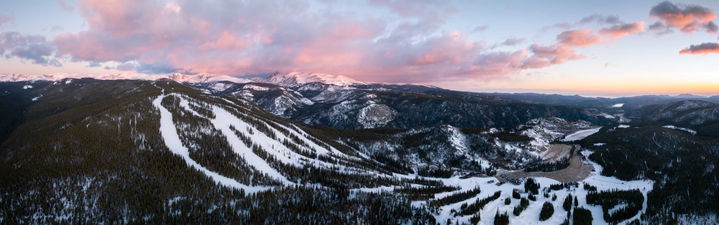
Located in Northern Wyoming within the Bighorn National Forest, Meadowlark Ski & Lodge reflects this broader trend. According to Ski Area Management’s coverage of the Meadowlark Ski & Lodge investment, the acquisition reflects growing interest in smaller ski areas with room for thoughtful expansion, year-round recreation, and hospitality development beyond the traditional winter season.
For decades, the ski resort has welcomed visitors looking for a quieter alternative to larger ski resorts, offering alpine skiing, snowboarding, and snowmobiling, and when summer approaches, visitors move towards lake access and trail exploration.
Miami-based investment firm MAS Alpha Securities launched MAS Tierra with the acquisition of Meadowlark Ski & Lake Lodge. The ski area will reopen with plans on expanding the property in preparation for the 2026-2027 winter season. Their intent is to maintain the integrity of the resort while broadening on what it already has to offer.
The strongest opportunities in smaller ski areas are not always about turning them into miniature versions of major resorts. In many cases, the value comes from improving operations, lodging, access, and amenities without stripping away its character.
What’s Driving Investment in Smaller Ski Resorts?
Authenticity is becoming part of the value. A growing number of skiers, travelers, and second-home buyers are looking for something different from the traditional luxury resort experience. They still want comfort, access, and quality, but they also want places that feel grounded. They want mountain towns with character, local businesses, open land, and a pace that feels connected to the landscape. Investments in smaller ski areas can have a meaningful impact on the growth of local communities too. Operations on expansion create construction jobs, while supporting permanent employment in hospitality, recreation, and tourism over time.
Increased visits can also benefit nearby restaurants, hotels, and local small businesses that rely on seasonal tourism. For many rural communities, these projects represent an opportunity to strengthen the local economy while introducing more visitors to unfamiliar regions that often find themselves in the shadows of larger populated resorts.
For some investors, the appeal is not just financial. It is also cultural. Smaller ski areas often carry a sense of nostalgia and local identity that has become harder to find in larger, more commercialized resort destinations.
The strongest mountain communities are also being evaluated by their four-season recreation, infrastructure, water resources, and ability to remain relevant when snowfall varies.
The Impact of Small-Scale Ski Resort Investment on Mountain Real Estate
The acquisition of Meadowlark Ski & Lodge highlights a significant shift in investments that are flowing within the mountain hospitality and ski real estate industries. Rather than focusing solely on well established destinations, investors are acknowledging the value of lesser known mountain markets. As the demand for outdoor recreation continues to rise, the market for smaller ski lodges and secluded mountains will play an increasingly important role in shaping the North American ski industry experience.
For buyers exploring where smaller or emerging ski markets fit into the bigger picture, comparing resort access, amenities, pricing, and lifestyle can help clarify which mountain community offers the right opportunity.
Key Takeaways
- Why are investors moving away from major resorts? Rising costs, overcrowding, and high barriers to entry are pushing investors toward smaller, more authentic markets.
- What makes smaller ski areas valuable? Their value lies in authenticity, untapped growth potential, and loyal local communities rather than just luxury amenities.
- What role does Meadowlark Ski & Lodge play in this trend? It represents a case study in balancing thoughtful expansion and year-round recreation with the preservation of a resort's original character.
- How does this impact local economies? New investment can boost the local economy through construction jobs, increased tourism, and support for existing small businesses.
As smaller ski areas gain attention, Mountain Luxury’s Ski Town Finder can help you look beyond the obvious resort names and explore the Western ski towns that may better fit your lifestyle and investment goals.
Explore the Next Wave of Mountain Real Estate
Smaller ski areas and lesser-known mountain communities are gaining attention for their authenticity, recreation access, and long-term growth potential. Whether you are comparing ski town real estate, evaluating investment opportunities, or looking for a mountain lifestyle with room to grow, Mountain Luxury can help you understand the markets shaping the next chapter of resort living.