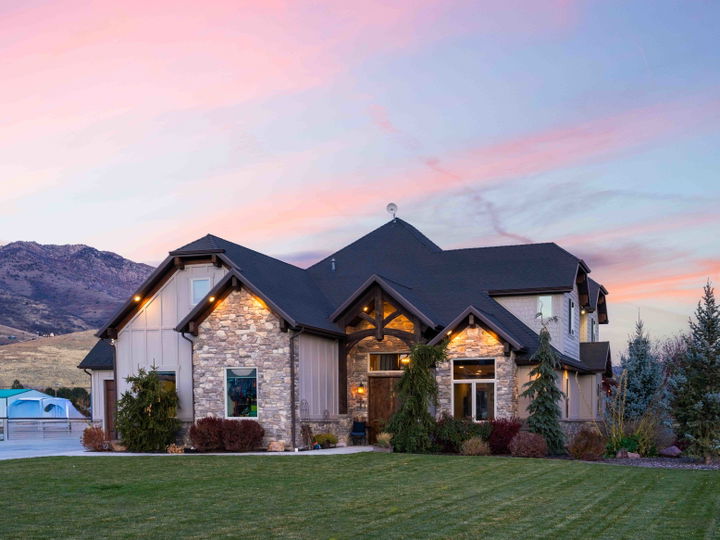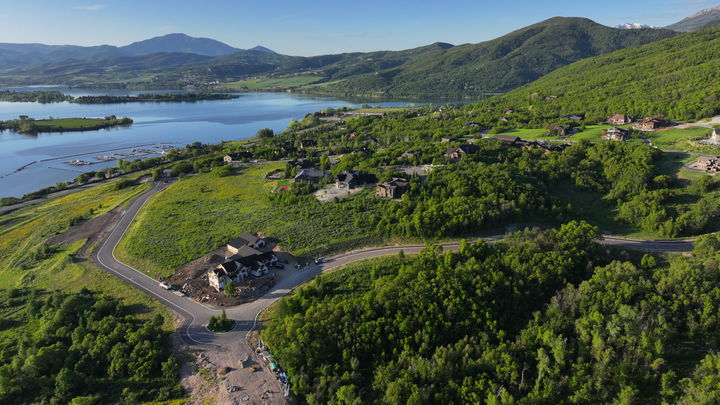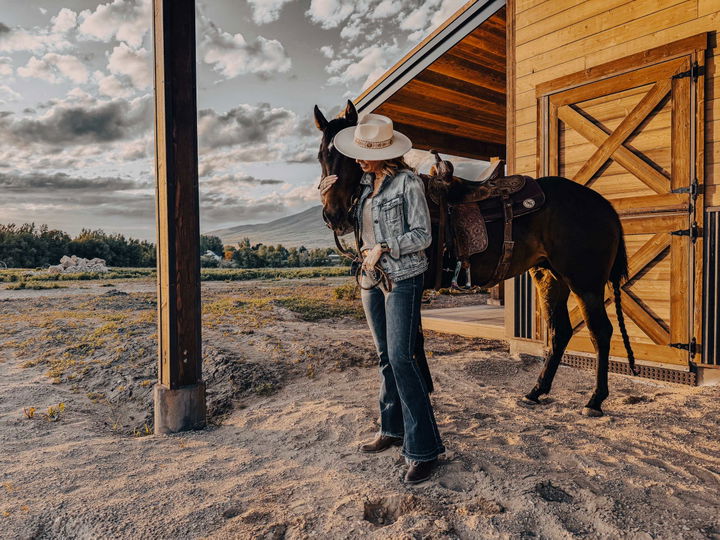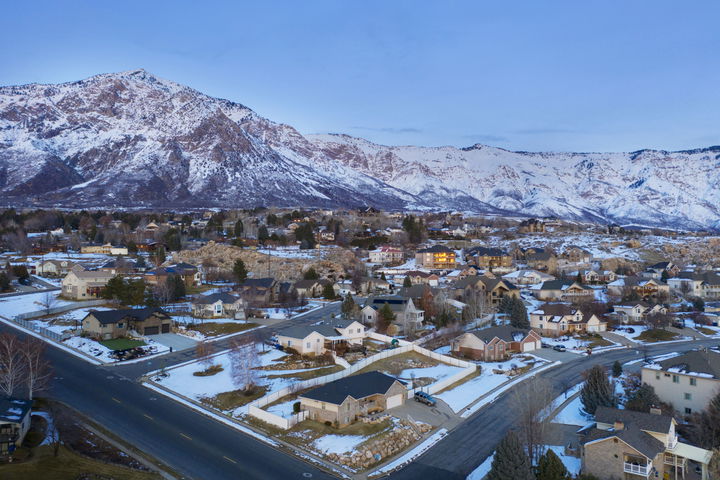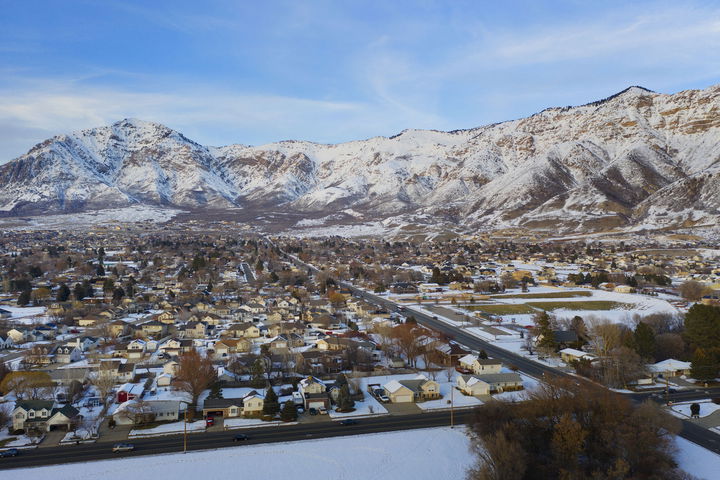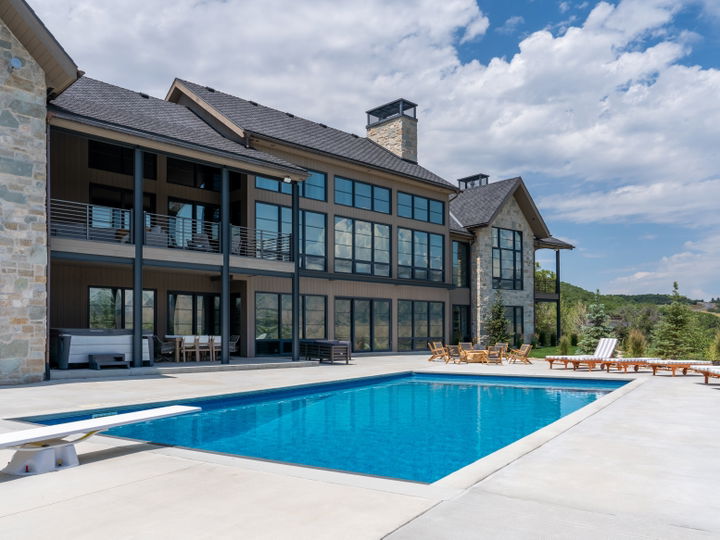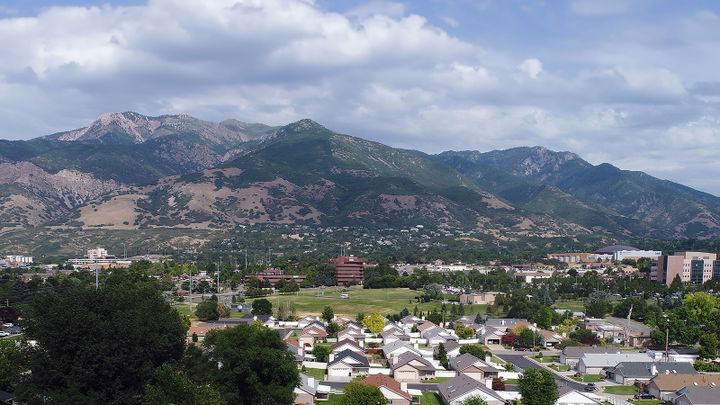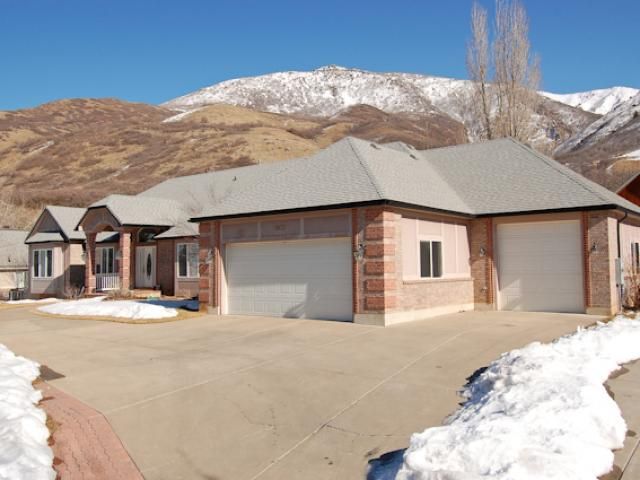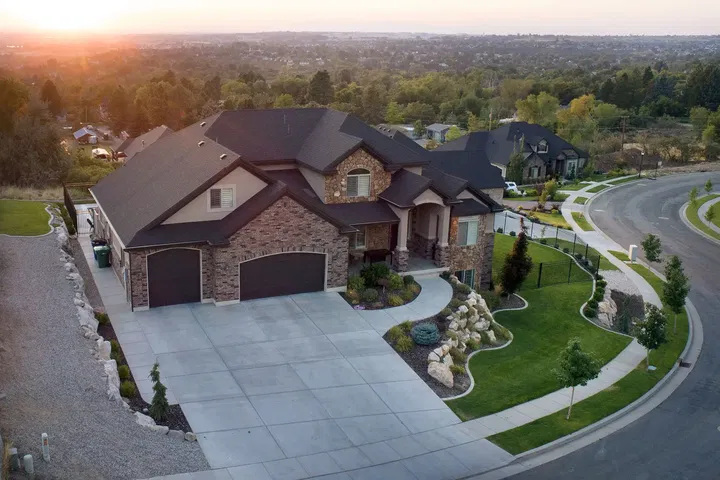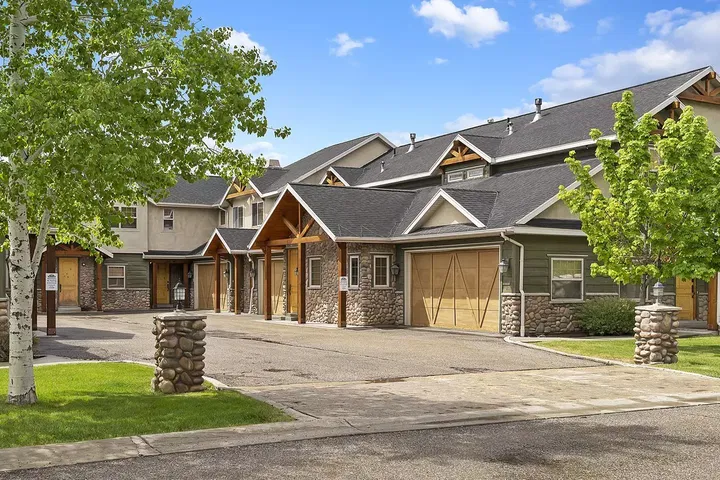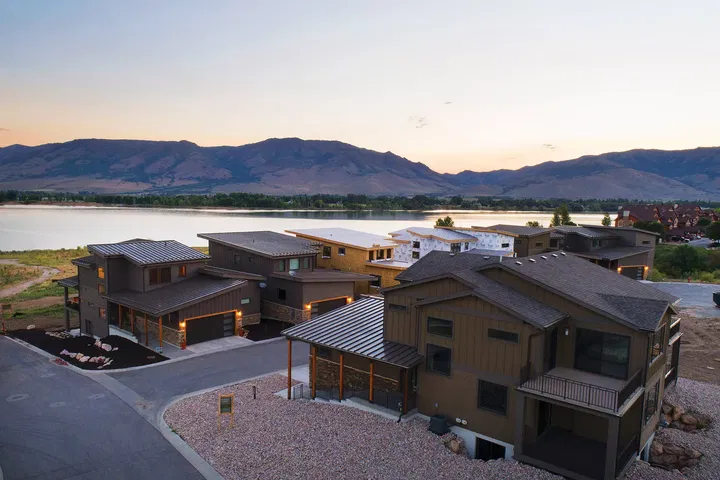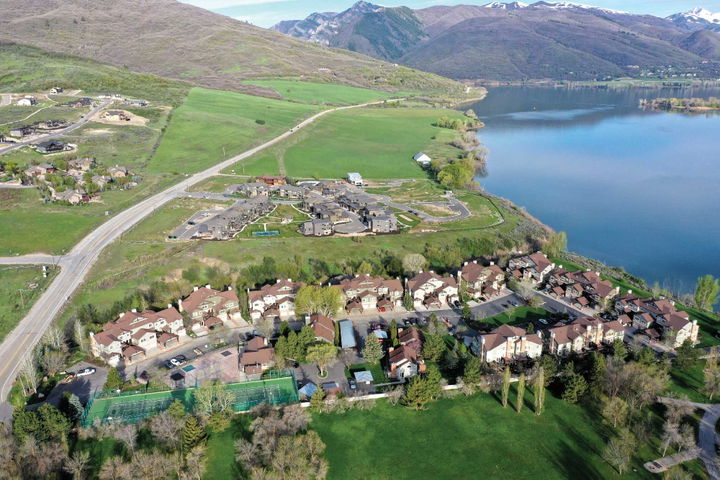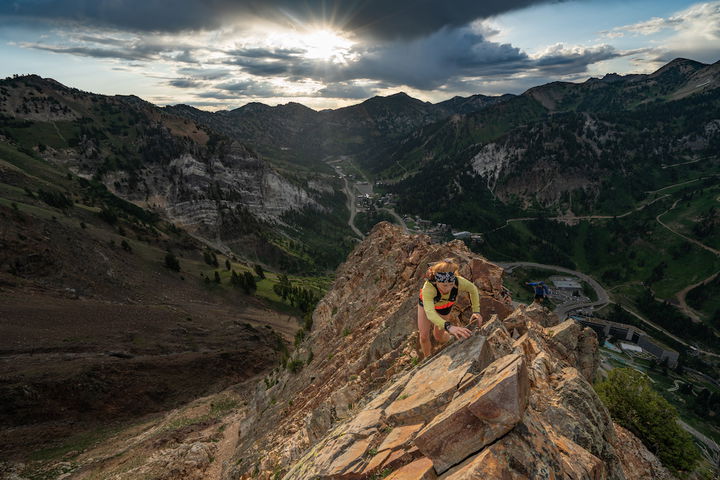

Utah homeowners are paying closer attention to water.
Fires, drought conditions, rising water bills, and new water regulations have made water use a bigger priority, especially in landscaping. For buyers looking at Utah real estate, water is now part of how they evaluate a property. They want to know where the water comes from, how reliable it is, and how much effort it takes to maintain the landscape.
Water is part of Utah’s future, and landscaping is one of the most visible places where homeowners can make a meaningful difference.
According to research from Utah State University, about 60% of residential water use in Utah happens outdoors. The average U.S. resident uses about 82 gallons of water per day, while the average Utahn uses more than twice that amount. In practical terms, a large share of household water use, and often a large share of the water bill, is tied to lawns, irrigation, and outdoor landscaping.
The good news is that water-wise landscaping in Utah does not have to mean giving up beauty, curb appeal, or a luxury feel. In many cases, it can make a property look more intentional, feel more connected to its natural setting, and require less maintenance.
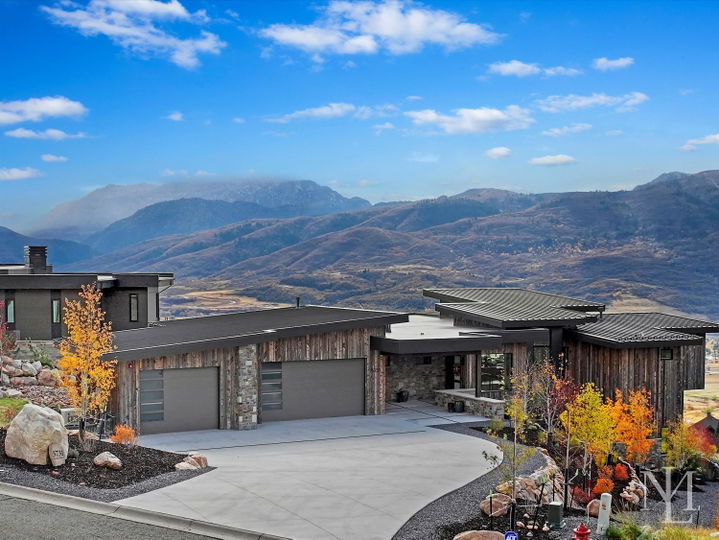
Why Does Landscaping Matter So Much for Water Use in Utah?
Landscaping matters because a large portion of Utah residential water use happens outdoors. Lawns, irrigation systems, planting beds, and overall landscape design can have a major impact on how much water a home uses each year.
If roughly 60 cents of every residential water dollar is spent outdoors, then the yard becomes one of the most important places for homeowners to look for savings.
Traditional lawns, especially large expanses of Kentucky bluegrass, are thirsty and maintenance-heavy. They often require frequent watering, mowing, fertilizing, edging, and upkeep to stay green through Utah’s hot, dry summers.
In many luxury homes, owners are only keeping grass where it serves a purpose. Native and drought-tolerant grass alternatives can still look and perform like a lawn while requiring significantly less water than Kentucky bluegrass. These blends can work well in areas used for play, pets, outdoor gathering, and open green space. Then, less-used areas are converted into native plantings, pollinator gardens, dry creek beds, stone pathways, and low-water landscaping.
The result can be a landscape that uses less water, requires less maintenance, and still feels elevated.
What Is Water-Wise Landscaping?
Water-wise landscaping is an approach to yard design that uses plants, grasses, irrigation systems, and hardscape features that are better suited to Utah’s dry climate.
It does not mean removing all greenery or replacing a yard with gravel. In fact, rock absorbs and radiates heat, which can make the area around a home noticeably hotter during Utah’s summer months. This can increase heat stress on nearby plants, make patios and outdoor gathering spaces less comfortable, and contribute to the urban heat island effect in more developed neighborhoods.
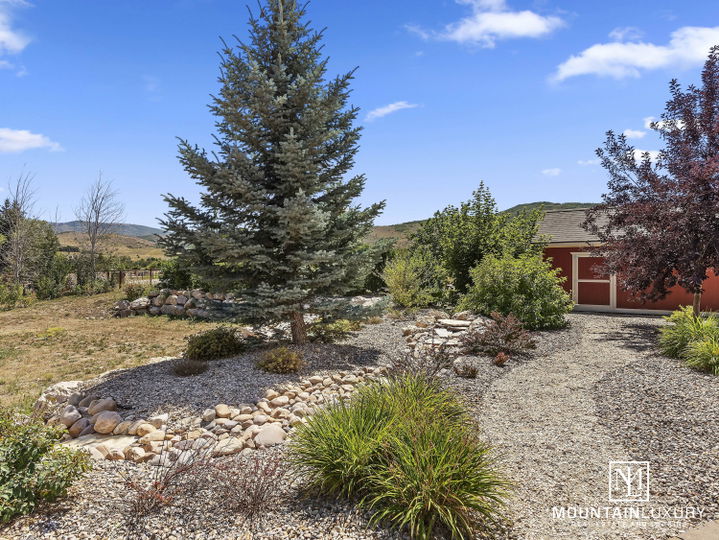
A gravel-heavy yard can limit habitat for pollinators and create runoff issues if it is not designed with proper grading, soil health, and plant material. Consider using rock and gravel just in pathways, borders, dry creek beds, and low-water planting areas.
A well-designed water-wise landscape can and should include trees, shrubs, native plants, ornamental grasses, flowering perennials, pathways, gathering spaces, and carefully placed drought-tolerant lawn areas.
The goal is to use water more intentionally.
Are Natural Grasses a Good Alternative to Traditional Lawn?
One of the most attractive shifts in Utah landscaping is the move toward natural grasses and drought-tolerant blends. Instead of relying entirely on Kentucky bluegrass, homeowners are exploring grasses that are better suited to Utah’s climate and require significantly less irrigation.
Swapping Kentucky bluegrass for more drought-tolerant grass blends can reduce water use by more than 60%, depending on the site, soil, irrigation system, and plant selection.
Natural grasses also work especially well in Utah’s luxury real estate market because they help a property blend into the surrounding landscape. In mountain communities, foothill settings, and rural luxury areas, a more natural landscape often looks better than a wide, highly manicured lawn that feels disconnected from the environment around it.
In Eden, Huntsville, Mountain Green, Park City, and other Utah mountain markets, homeowners are using natural grasses to create movement, texture, and seasonal interest. These landscapes can frame a home beautifully while softening the transition between architecture and open space.
What Is Xeriscaping?
Xeriscaping is a style of landscaping designed to reduce water use through drought-tolerant plants, efficient irrigation, thoughtful design, and less reliance on traditional lawn.
Xeriscaping used to have a reputation problem. For some people, the word brought to mind gravel-heavy yards with little color or softness. That has changed.
Today, xeriscaping in Utah is becoming more refined, layered, and design-driven. Many homeowners may not ask for “xeriscaping” by name, but they know they want a yard that is attractive, low maintenance, and low water. They want beauty without constant upkeep.

Modern xeriscaping includes native plants, ornamental grasses, flowering perennials, boulders, pathways, mulch, drip irrigation, raised beds, dry streambeds, and carefully placed shade trees. When done well, it adds variety and interest to a yard while reducing water use and maintenance.
According to Utah.gov, Utah residents saved more than 100 million gallons of water through landscape conversions to xeriscaping and low-water styles in 2024. That shows how much impact residential landscaping can have when homeowners rethink traditional lawn-heavy designs.
For luxury properties, xeriscaping can also become part of the overall design language. A well-planned low-water landscape can make a home feel more architectural, more intentional, and more connected to the natural beauty of Utah.
Can Water-Wise Landscaping Still Look High-End?
Water-wise landscaping can absolutely look high-end when it is thoughtfully designed.
A thoughtful low-water landscape can make a home feel more custom and more connected to its setting. It can create depth, texture, and visual interest that a standard lawn may not provide. It can also help define outdoor spaces, highlight architecture, frame views, and create a stronger first impression.
For buyers, a property that already has drought-tolerant landscaping, efficient irrigation, natural grasses, or xeriscaping may feel better prepared for Utah’s long-term water realities.
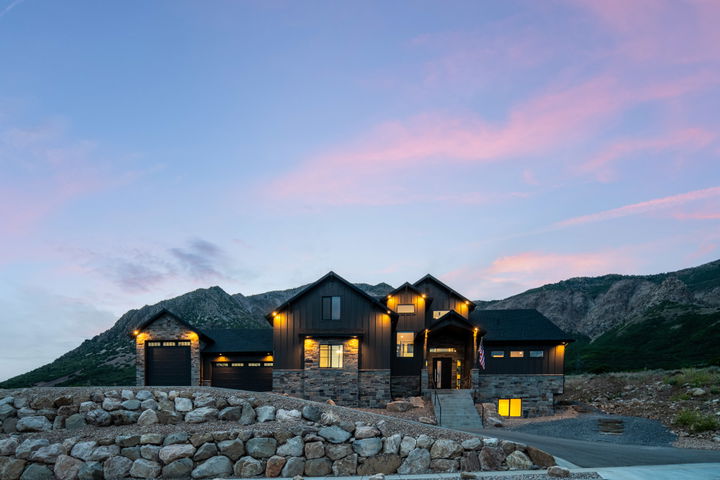
In the luxury market, this can be especially valuable, particularly for second-home owners who may not be at the property full time. A beautiful home should not feel like it requires a full-time landscaping crew just to keep the landscaping alive in late summer. More buyers are appreciating landscapes that are elegant, practical, climate-aware, and easier to maintain from a distance.
How Can Utah Homeowners Get Started With Water-Wise Landscaping?
Utah homeowners can explore landscape incentive programs through Utah Water Savers and the Utah Division of Water Resources, including rebates for lawn conversions, park strip projects, and other water-wise landscaping updates. Understand eligibility requirements before you remove a single blade of grass.
Remember, you don't have to convert an entire yard at once. Some of the best landscape transformations happen in phases. Keep grass where it serves a purpose, then consider replacing unused or hard-to-maintain lawn areas with lower-water alternatives.
First Steps in Xeriscaping Include:
- Replacing unused lawn with drought-tolerant plants or natural grasses
- Updating irrigation systems for better efficiency
- Adding drip irrigation to planting beds
- Using mulch, stone, or pathways to reduce exposed soil
- Choosing native or climate-appropriate plants
- Adding wildfire defensible design with thoughtful plant spacing, fire-conscious materials, clear zones near the home, and low-water plantings that support both safety and curb appeal
- Working with a landscape designer familiar with Utah’s climate
The right expert can help evaluate sun exposure, soil, irrigation, plant selection, drainage, maintenance goals, and design style. A strong plan should reduce water use without making the yard feel stripped down or unfinished.
For luxury homes, a well-designed water-wise landscape can elevate curb appeal, reduce maintenance, improve outdoor living, and make the property feel more connected to its natural surroundings.
Water scarcity in Utah is changing how homeowners think about landscaping, but it does not have to mean sacrificing beauty. In many cases, it opens the door to better design. Natural grasses, xeriscaping, native plants, efficient irrigation, and defensible design can help homeowners reduce water use, lower maintenance, and create outdoor spaces that feel more connected to the surrounding environment.
A drier future does not mean Utah landscapes have to lose their beauty. It means they have to be designed with more intention, more resilience, and a deeper respect for the land.
Ready to See Water-Wise Landscaping in Action?
Interested in homes that already use xeriscaping, natural grasses, low-maintenance landscaping, or water-wise design? Connect with a local Mountain Luxury realtor for a tour of beautiful Utah properties that show how thoughtful landscaping can transform both water use and curb appeal.